

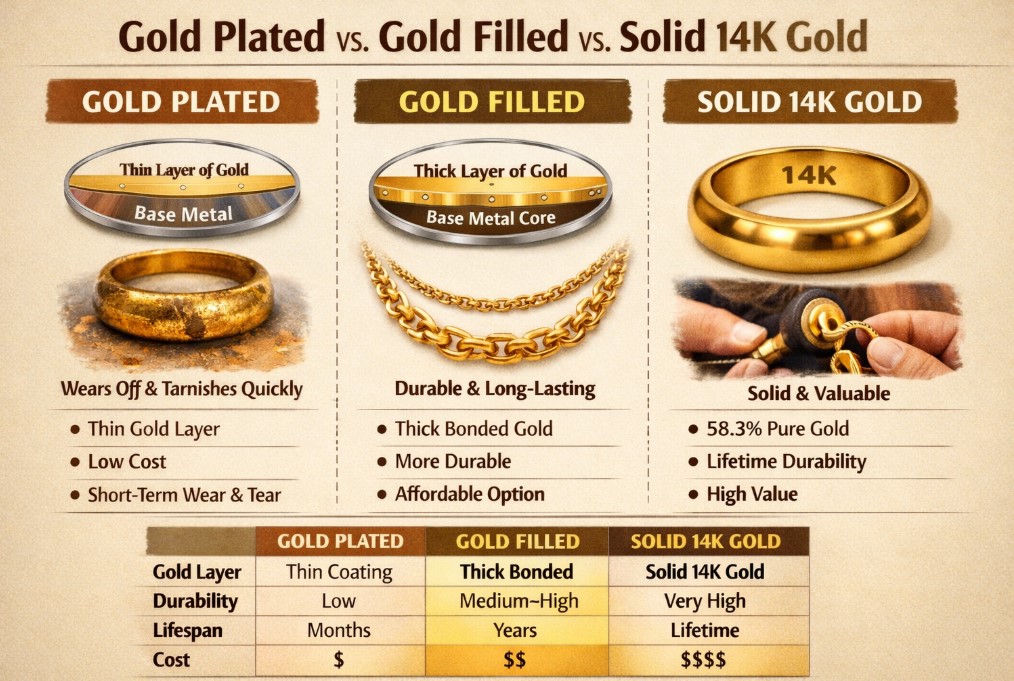
Gold Plated vs. Gold Filled vs. Solid 14K Gold
What’s the Real Difference (and What Should You Buy)?
When shopping for gold jewelry, the terms gold plated, gold filled, and solid 14K gold are often used interchangeably—but they represent very different products in terms of value, durability, and long-term worth.
Understanding these differences can help you (or your customers) make smarter buying decisions—especially if you're balancing budget with quality.
Gold Plated Jewelry


What it is:
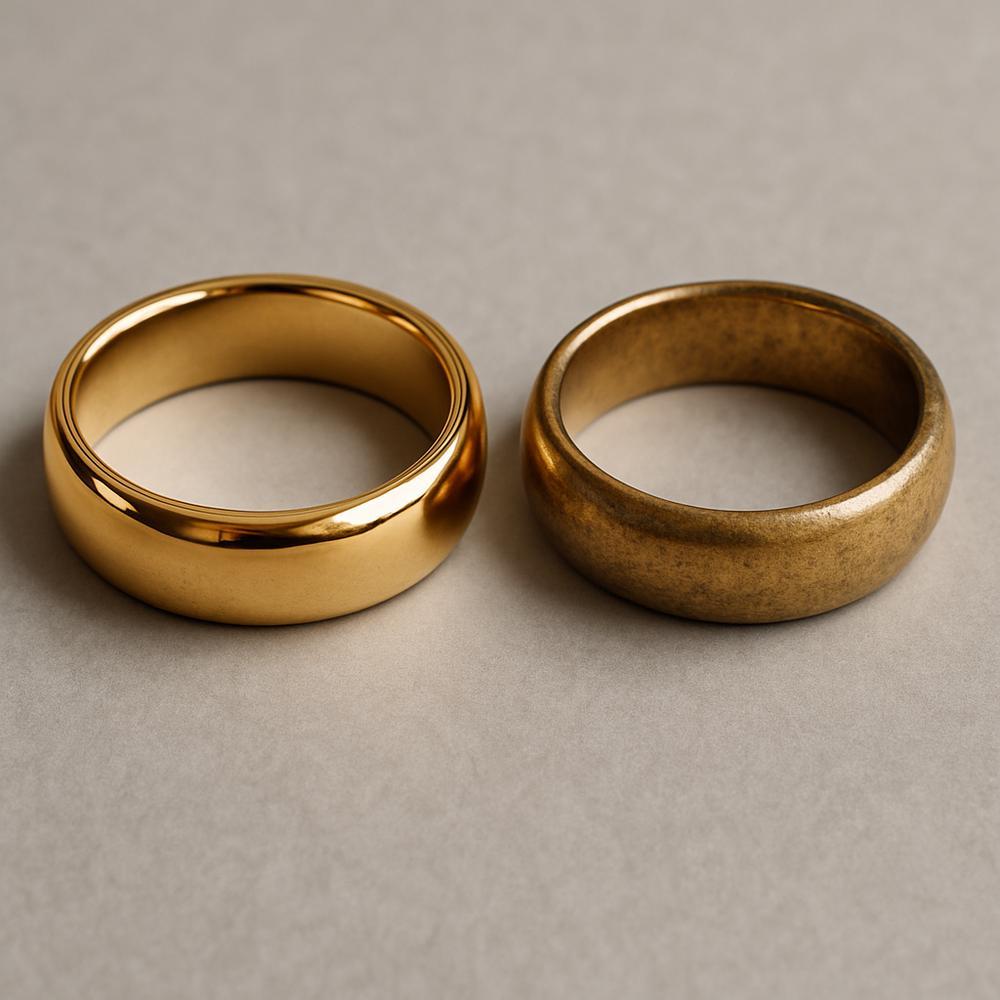
Gold plated jewelry is made by applying a very thin layer of gold over a base metal like brass, copper, or stainless steel using an electroplating process.
Key characteristics:
- Gold layer is extremely thin (often less than 0.5 microns)
- Base metal is usually inexpensive
- Prone to fading, tarnishing, and wearing off
- Can cause skin discoloration or irritation
Pros:
- Very affordable
- Looks like gold initially
- Great for fashion or short-term wear
Cons:
- Wears off quickly (sometimes within weeks or months)
- Cannot be polished or repaired easily
- Little to no resale value
Best for:
Trend-based jewelry or occasional wear where longevity is not a concern.
Gold Filled Jewelry
What it is:
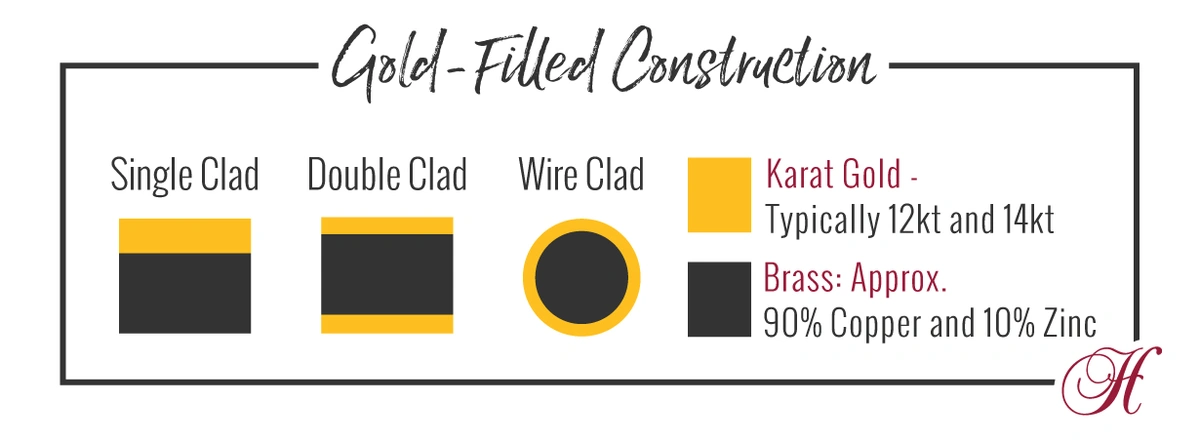
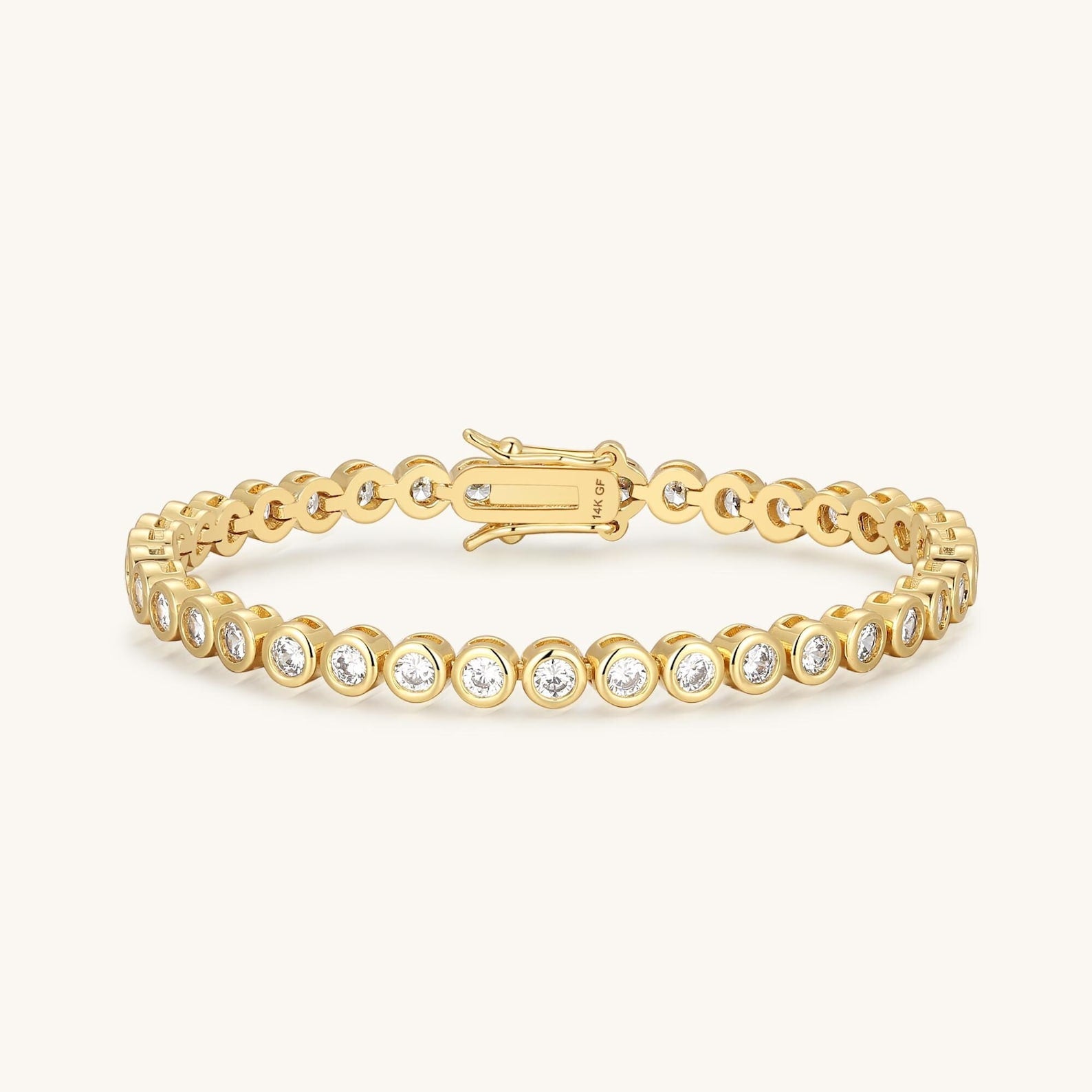
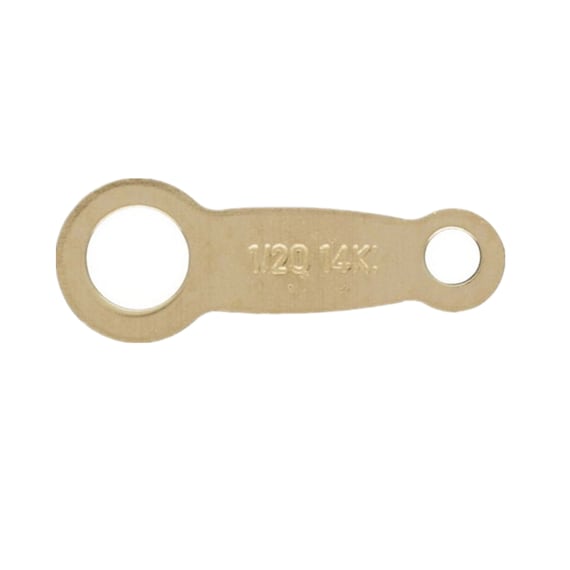
Gold filled jewelry has a thick layer of gold mechanically bonded to a base metal (usually brass). It’s not just dipped—it’s pressure bonded, making it significantly more durable.
Key characteristics:
- Gold layer must legally be at least 5% of the item’s total weight
- Typically uses 10K, 12K, or 14K gold
- Much thicker than plating (often 50–100x thicker)
Pros:
- Much more durable than plated jewelry
- Can last years or even decades with proper care
- Resistant to tarnishing
- Good balance of quality and price
Cons:
- Still not solid gold
- Limited resale or melt value
- Can eventually wear through over long periods
Best for:
Everyday jewelry buyers who want durability without the cost of solid gold.
Solid 14K Gold Jewelry


What it is:
Solid 14K gold is made from a homogeneous mixture of gold and alloy metals, containing 58.3% pure gold.
Key characteristics:
- Gold is present throughout the entire piece—not just the surface
- Does not wear off, fade, or tarnish like plated items
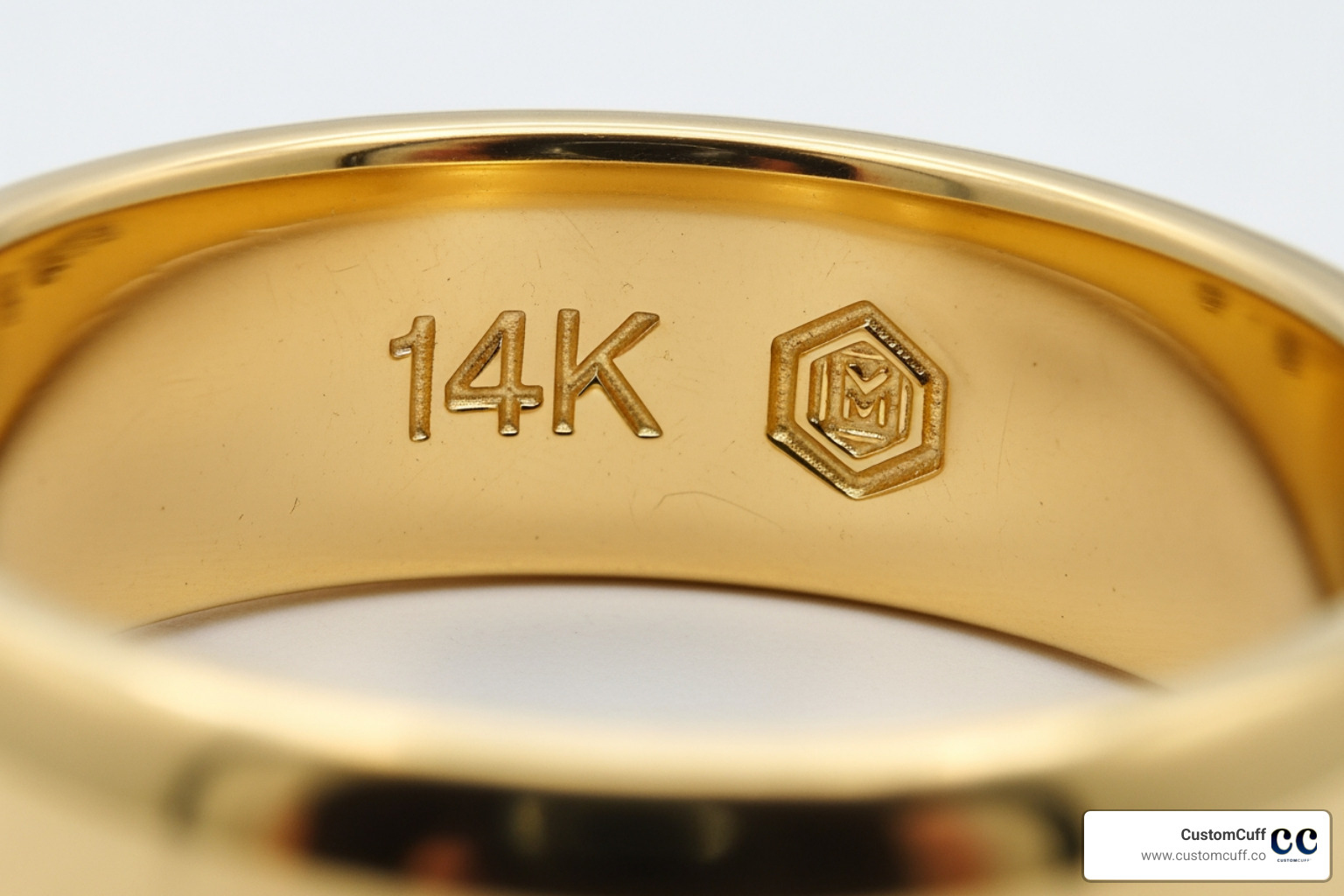
- Typically stamped “14K” or “585”
Pros:
- Long-lasting (lifetime material)
- Can be repaired, resized, and polished indefinitely
- Holds intrinsic value based on gold content
- Hypoallergenic for most people
Cons:
- Higher upfront cost
- Slightly less rich color than 18K or 24K gold
Best for:
Fine jewelry, heirloom pieces, and anyone focused on long-term value and durability.
Side-by-Side Comparison
| Feature | Gold Plated | Gold Filled | Solid 14K Gold |
|---|---|---|---|
| Gold Content | Very thin layer | Thick bonded layer | Solid throughout |
| Durability | Low | Medium–High | Very High |
| Tarnish Resistance | Poor | Good | Excellent |
| Lifespan | Months | Years | Lifetime |
| Resale Value | None | Minimal | High (based on gold) |
| Price | $ | $$ | $$$$ |
Final Thoughts
If you're buying jewelry purely for style and short-term use, gold plated may be sufficient. But if you want something that lasts, maintains its appearance, and holds value, the conversation quickly shifts toward gold filled—or better yet—solid 14K gold.
From a professional standpoint, especially in the luxury and asset space, solid gold remains the only category that truly qualifies as a tangible, lasting asset.